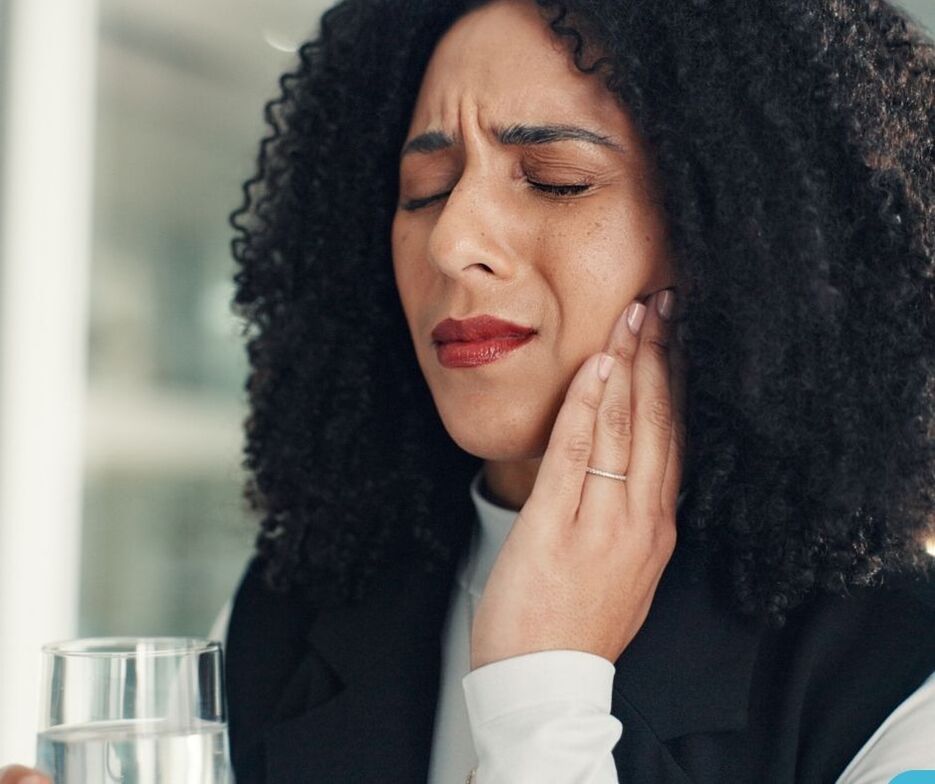
If you’ve ever had jaw pain, clicking while chewing, or tension near your temples, you may have heard the terms TMJ or TMD. These are commonly used interchangeably, but they actually refer to slightly different things.
TMJ stands for temporomandibular joint — the joint itself.
TMD stands for temporomandibular disorder — a group of conditions affecting the joint and surrounding muscles.
Understanding the structure of the TMJ can help explain why this area can become painful or dysfunctional.
The Temporomandibular Joint: One of the Most Complex Joints in the Body
The TMJ connects your lower jaw (mandible) to the temporal bone of the skull, located just in front of your ears.
Unlike many joints in the body, the TMJ performs two movements at once:
• Hinge movement – opening and closing the mouth
• Sliding movement – allowing the jaw to glide forward, backward, and side to side
This dual movement allows us to:
• Chew
• Speak
• Yawn
• Swallow
Because it moves in several directions and is used constantly throughout the day, it is considered one of the most active joints in the body.
Important Structures of the TMJ
Several key structures help this joint function smoothly.
Articular Disc
Between the skull and the jaw sits a small cartilage disc that acts like a cushion or shock absorber.
It helps distribute pressure during chewing and protects the bones from grinding directly against each other.
When this disc shifts out of position, it can sometimes cause:
• Clicking
• Popping
• Jaw locking
Muscles of Mastication
Several muscles control jaw movement.
The most important include:
Masseter
One of the strongest muscles in the body relative to its size. It helps close the jaw during chewing.
Temporalis
Located along the side of the skull near the temples. It assists in closing and retracting the jaw.
Medial and Lateral Pterygoids
These deeper muscles help move the jaw side-to-side and forward.
When these muscles become tight or irritated, they can contribute to jaw pain, headaches, and facial tension.
Why TMJ Issues Are So Common
TMJ problems often occur because the joint is influenced by many other systems in the body, including:
• The neck and upper spine
• Posture
• Stress and muscle tension
• Teeth grinding or clenching
• Previous injuries
In Part 2 of this series, we’ll talk about the signs and symptoms of TMJ disorders, and when it may be helpful to seek care.
Research Notes
Research has shown that temporomandibular disorders affect approximately 5–12% of the population, making them one of the most common causes of chronic facial pain.
(National Institute of Dental and Craniofacial Research, 2023)

Nadine Hebdon
Contact Me